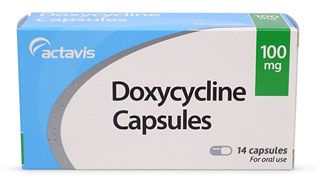
About doxycycline
- Doxycycline is a prescription-only antibiotic medicine used to treat infection.
- Doxycycline 100mg taken twice daily for 7 days is 98% effective at treating chlamydia infection.
- Avoid sexual contact whilst taking doxycycline for chlamydia.
- Read the patient leaflet for a full list of side effects, cautions, and interactions with other drugs.
Doxycycline is an antibiotic used to treat a broad range of infections caused by bacteria and certain parasites. It is a tetracycline class of antibiotic which works by preventing bacteria from making the proteins they need to survive.
Dr Paul provides doxycycline for the treatment of chlamydia, as an antimalarial, Cancer and for rosacea. Other indications and infections need to be adequately assessed before treatment. Please do not order to self treat other infections as you may be taking the wrong treatment and are at risk of causing resistant strains of bacteria.
How to take
- Doxycycline 100mg is taken twice daily for 7 days to treat a chlamydia infection.
- Swallow each doxycycline capsule whole with a glass of water and try to space your doses evenly throughout the day (e.g. 12 hours apart).
- Taking capsules with food may reduce the risk of stomach side effects.
- If you forget to take a dose, take it as soon as you remember. Do not take more than one dose at a time.
- Avoid lying down for 30 minutes after taking capsules.
Cautions and warnings
Do not take doxycycline if you:
- Are pregnant, trying to become pregnant, or breastfeeding.
- Have suffered an allergic reaction after taking doxycycline or any other antibiotic.
Talk to your doctor before taking doxycycline if you have any of the following:
- Liver problems or are taking medicines which affect your liver.
- Alcohol dependency – doxycycline may increase risk of liver damage.
- Severe kidney problems.
- Myasthenia gravis.
- Porphyria.
- Systemic lupus erythematosus (SLE)
- Diarrhoea, or usually get diarrhoea when you take antibiotics, or have suffered from problems with your stomach or intestines.
Alcohol may reduce the effect of your medicine. It is therefore advisable to avoid drinking any alcohol whilst taking doxycycline. Doxycycline may increase the risk of liver damage for those who are alcohol dependent.
Do not drive or use machines if you suffer from visual disturbances such as blurring of vision while taking doxycycline.
Doxycycline and other medicines
Please tell your doctor if you are taking or have recently taken any of the following medicines:
- Warfarin or warfarin-type anticoagulants (regularly monitored with blood tests).
- Quinapril (used to lower high blood pressure).
- Kaolin (used to treat diarrhoea).
- Penicillin or rifampicin (antibiotics).
- Sucralfate (used to treat and prevent stomach ulcers).
- Barbiturates (strong sleeping tablets, e.g. phenobarbital).
- Ergotamine (used to treat cluster headaches).
- Typhoid vaccine oral capsules.
- Carbamazepine, phenytoin, primidone, or other drugs used to control epilepsy.
- Ciclosporin (used to affect the body’s immune response following organ transplants).
- Methoxyflurane (an anaesthetic). If you need an operation, tell your doctor or dentist that you are taking doxycycline.
- Methotrexate (used to treat cancer, psoriasis, or rheumatoid arthritis).
- Medicines such as antacids (indigestion tablets or liquids) containing aluminium, calcium, magnesium, or other medicines containing iron, bismuth, or zinc salts.
- Retinoid, e.g. Roaccutane (used to treat various skin conditions).
- Lithium (used to moderate mood).
Possible side effects of doxycycline
Like all medicines, doxycycline can cause side effects. The most common side effects are headache, immune hypersensitivity, photosensitivity, nausea, vomiting, diarrhoea, acid type indigestion, heartburn, rash/itching, and vaginal itching.
Doxycycline can cause light sensitivity. Strong sun and sunbeds should be avoided whilst doxycycline is being taken.
If you develop severe or prolonged or bloody diarrhoea during or after using doxycycline tell your doctor immediately since it may be necessary to interrupt the treatment. This may be a sign of bowel inflammation (pseudomembranous colitis) which can occur following treatment with antibiotics.
Some people get thrush after taking antibiotics. Antibiotics kill bacteria including beneficial bacteria that protects against thrush.
Other side effects are rare. A severe allergic reaction (difficulty in breathing, chest pain, fever, or sudden swelling on the face/throat) requires urgent medical help.


Reviews
There are no reviews yet.